About WetMod
Modifying thermally conductive metals, like copper and aluminum, to have superhydrophobic surfaces that repel water and resist corrosion. Turning ordinary metals into high-performance tools and gear. Perfect for marine, HVAC, electronics, industrial, and research use.
Superhydrophobic Benefits
Reduced Solid-Liquid Interface
The contact boundary where the solid metal surface and the liquid water droplet meet is significantly reduced, i.e., less of the water droplet’s surface area is in contact with the solid metal surface, when an ordinary metal surface is modified to a superhydrophobic surface. This reduced solid-liquid interface results in a more spherical droplet and fewer interactions (e.g., energy transfer) between the water droplet and the solid surface.
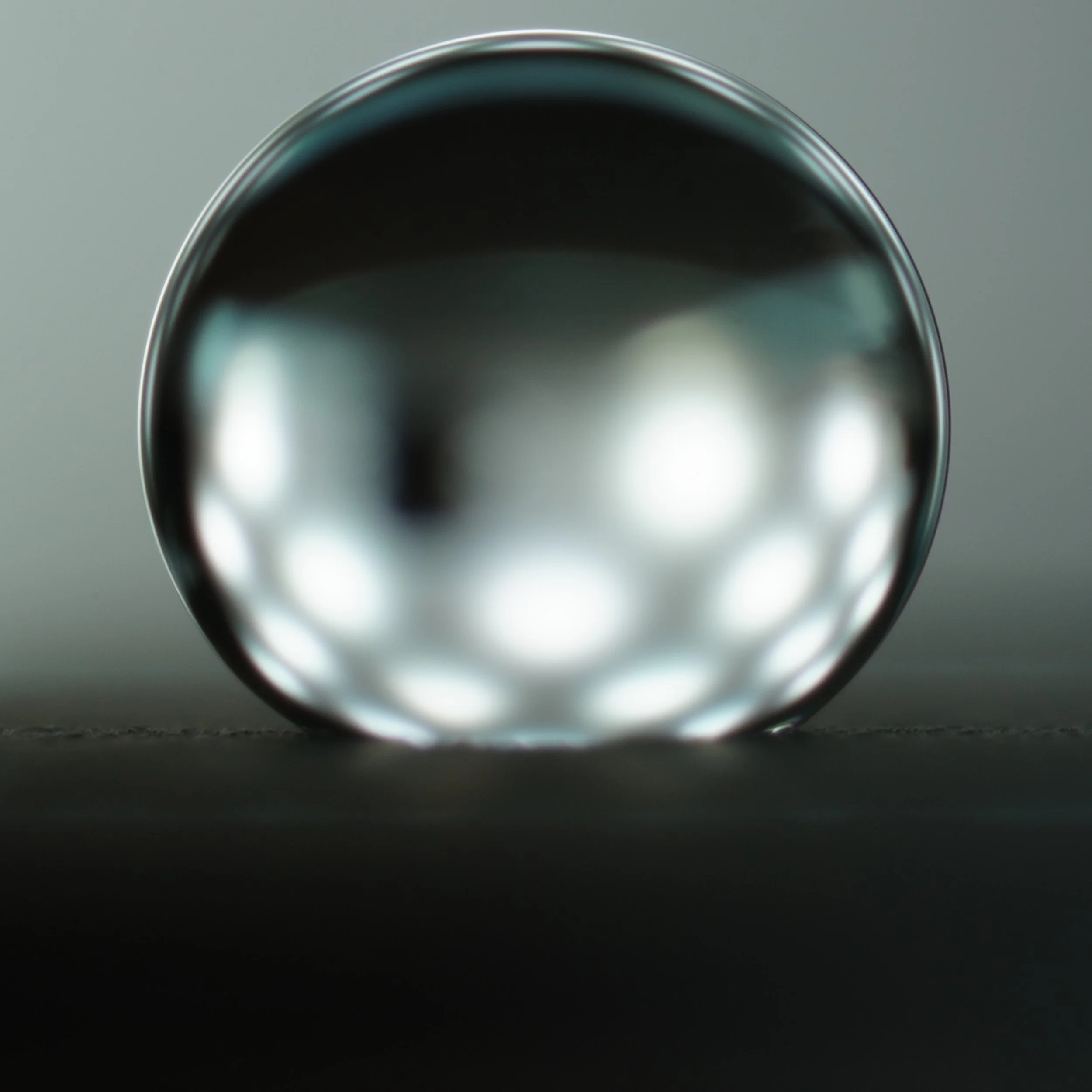
Modified Copper Surface
Water Contact Angle: 150º
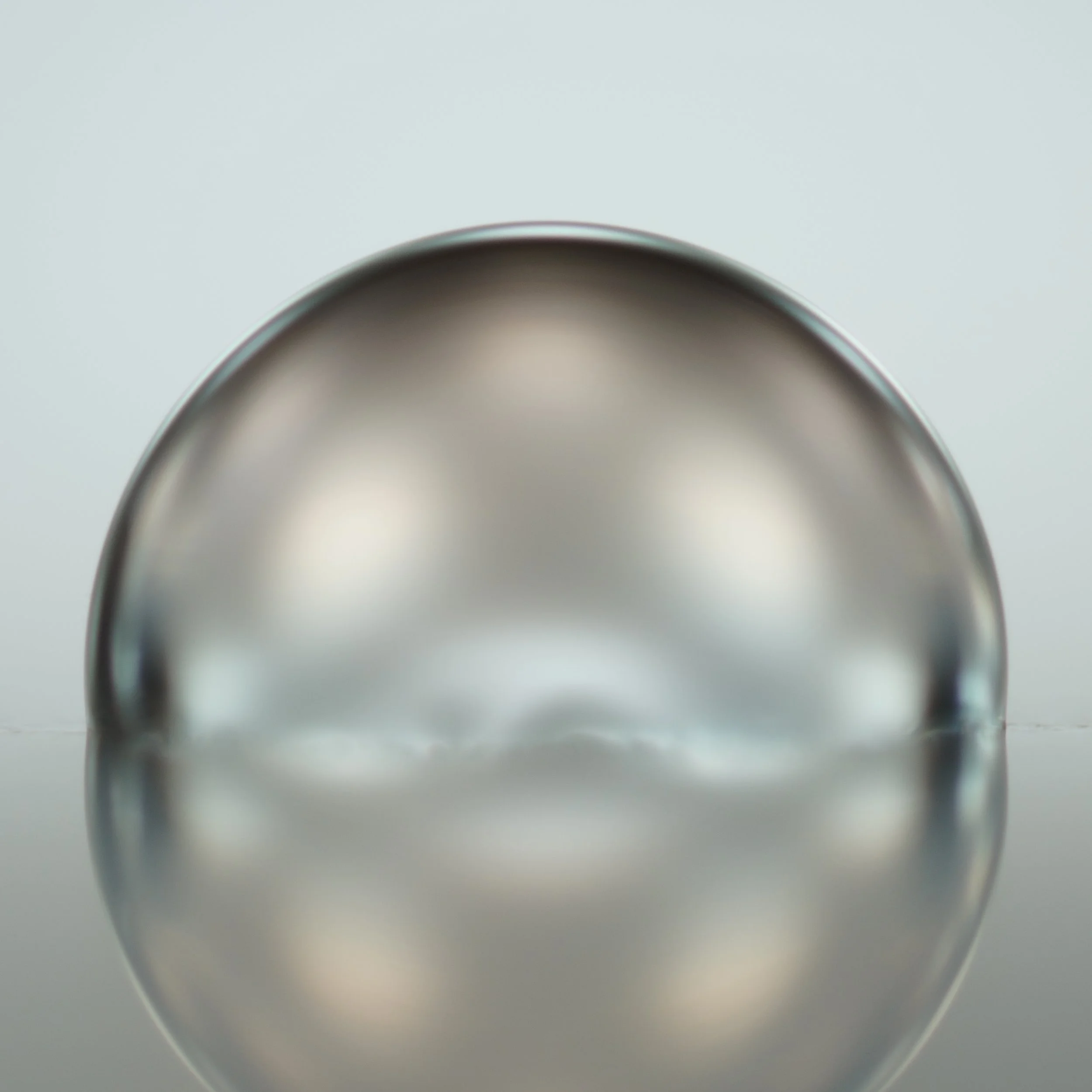
Ordinary Copper Surface
Water Contact Angle: 90º
Increased Liquid-Vapor Interface
The contact boundary where the ambient vapor and the liquid water droplet meet is significantly increased, i.e., more of the water droplet’s surface area is in contact with the ambient vapor, when an ordinary metal surface is modified to a superhydrophobic surface. This increased liquid-vapor interface results in more interactions (i.e., more mass and energy transfer) between the water droplet and the ambient vapor. One notable consequence is a significant increase in a water droplet’s lifetime. Watch the video below to see the difference!
Increased droplet lifetime
The time it takes for a single microliter-sized water droplet - that’s one millionth of a liter - to evaporate. The water droplet on the left is resting on an ordinary copper surface and the water droplet on the right is resting on a modified superhydrophobic copper surface. Water droplets live longer - over 35% longer - on the superhydrophobic surface as they have less contact with the surrounding air - less contact means fewer opportunities for the water to evaporate.
Interested in working together?
Reach out to get started.